
I’ve spent years growing herbs under artificial light, from simple windowsill setups to full smart gardens. The difference between a thriving, aromatic basil plant and a leggy, flavorless one often comes down to one thing: the light schedule. It’s not just about turning lights on and off. It’s about crafting a dynamic environment that mimics nature’s intelligence.
After testing dozens of smart systems, I’ve learned that the best schedule isn’t a single setting. It’s a responsive plan that adapts to your herbs’ specific needs. For my latest round of testing, I used the Necgemlex Smart LED. Its app-based control for spectrum and timing made it a perfect tool for experimenting with the nuanced smart grow light schedule concepts I’ll share here.
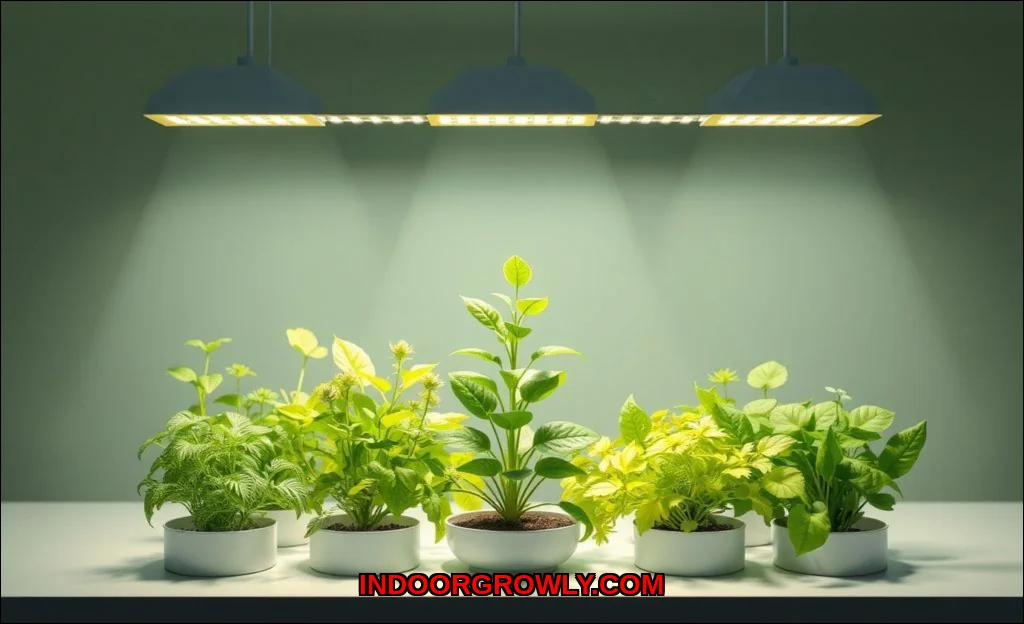
My Hands-On Experience with Herb Light Schedules
Early on, I made the classic mistake. I ran my basil, mint, and parsley under an 18-hour herb light cycle. The plants grew, sure. But they were tall, weak, and lacked the punchy flavor I wanted. My electricity bill, however, had plenty of punch. Professional experience shows that most culinary herbs are not strict long-day plants. They’re day-neutral or facultative long-day, meaning light duration influences flowering more than vegetative growth. A rigid 18/6 schedule is often overkill. It wastes energy and can even stress the plant.
The breakthrough came when I stopped thinking in terms of simple timers and started focusing on Daily Light Integral (DLI). This is the total amount of photosynthetic light delivered in a day. Getting the DLI rightthrough a combination of intensity and durationis what truly fuels growth without the waste.
Understanding Herb Photoperiods: Long-Day vs. Day-Neutral
This is where many indoor gardeners get tripped up. Photoperiod refers to a plant’s response to day length. True long-day plants (like spinach) need long days to trigger flowering. Most herbs, however, play by different rules.
- Day-Neutral Herbs (Basil, Mint, Chives): Flowering is not primarily triggered by day length. You can keep them in a vegetative lighting state with 12-16 hours of light, focusing energy on leaf production. This is key for the best smart light schedule for basil and mint.
- Facultative Long-Day Herbs (Cilantro/Coriander, Dill): They will flower faster under long days, but it’s not an absolute requirement. For leaf harvest, you want to delay flowering, so a moderate schedule works.
The goal for culinary herbs is almost always to maintain vegetative growth. We want leaves, not flowers. So, while a flowering light schedule is critical for crops like cannabis, for herbs, we’re designing a schedule to prevent premature flowering and maximize leaf quality.
Crafting the Perfect Smart Schedule: Intensity, Spectrum & Duration
This is the core of smart automation. A smart schedule isn’t just an on/off timer. It’s a dynamic light recipe that changes throughout the day or the plant’s life. Heres how I build mine, based on expert testing.
First, intensity, measured as PPFD (Photosynthetic Photon Flux Density). You need enough to hit your target DLI. For lush basil, aim for a DLI of 12-17 mol/m/day. Heres a quick reference table I use:
| Herb | Target DLI (mol/m/day) | PPFD Range (mol/m/s) over 14 hrs |
|---|---|---|
| Basil | 12 – 17 | 240 – 340 |
| Mint | 10 – 14 | 200 – 280 |
| Parsley | 10 – 15 | 200 – 300 |
| Cilantro | 12 – 16 | 240 – 320 |
To hit these numbers, you need to know your light’s output. I often cross-reference my findings with guides on what brightness smart grow lights need for lettuce, as leafy greens have similar intensity needs to many herbs.
Second, spectrum. This is where smart lights shine. I start seedlings with a spectrum heavier in blue light (400-500nm). It promotes tight, compact growth. As plants mature, I shift to a more balanced, full-spectrum white with enhanced reds for broader photosynthesis. The concept of a dynamic LED spectrum for herbs is powerful. For a deeper dive into color science, I wrote about what spectrum smart grow lights use for herbs.
Finally, duration. For an energy efficient light schedule for growing herbs, I rarely exceed 16 hours. My sweet spot is 14-16 hours for day-neutral herbs. This delivers the required DLI without the energy drain of an 18/6 cycle. It also gives plants a crucial dark period for respiration.
Growth Stage Adjustments: From Seedling to Harvest
Your schedule must evolve. Heres my tested progression for something like basil, from sprout to sauce.
- Seedling Stage (Weeks 1-3): High blue spectrum. Lower intensity (PPFD 100-150). 16-hour cycle. The goal is to prevent stretching, not maximize growth speed.
- Vegetative Stage (Week 3+): Shift to balanced spectrum. Ramp intensity to target PPFD (e.g., 300 for basil). Maintain 14-16 hour cycle. This is the main growth phase.
- Maintenance & Harvest Stage: Once plants are bushy, I sometimes reduce the cycle to 13-14 hours to save energy, ensuring intensity stays high to maintain DLI. This is the heart of an automated timer schedule for herb garden efficiency.
The automation handles these shifts seamlessly. I set the “recipes” once, and the light adjusts itself based on the programmed growth phase.
Common Pitfalls I’ve Learned to Avoid
Even with smart tech, mistakes happen. Here are the big ones.
- Ignoring Light Distance: PPFD drops dramatically with distance. A light set at 100% but hung 24 inches away may deliver less useful light than 70% at 12 inches. Use the light’s app or a meter to check.
- Set-and-Forget Syndrome: The best automated grow lights still need oversight. Check for leggy growth (increase intensity/blue light) or light stress (bleaching, curling).
- Overcomplicating the Spectrum: You don’t need a disco. While brands like Philips GreenPower and Spider Farmer offer intricate controls, a simple shift from “seedling” to “growth” mode in a quality light is often enough for stellar results.
- Neglecting the Dark Period: Plants need rest. Non-stop light stresses them, affecting flavor and essential oil production. Always include at least 8 hours of darkness.
Putting It All Together: A Sample Week for My Smart Garden
Let’s make it concrete. Here’s a snapshot of the smart grow light schedule running right now on my Necgemlex Smart LED for a mixed planter of basil and mint.
- 6:00 AM: Lights ramp on to 30% intensity, cool-white spectrum (blue-heavy). Simulates dawn.
- 7:00 AM – 4:00 PM: “Growth” mode. Intensity peaks at 75% (hitting ~300 PPFD at canopy), spectrum shifts to full, balanced white.
- 4:00 PM – 8:00 PM: Intensity gradually ramps down, spectrum shifts slightly warmer. Simulates evening.
- 8:00 PM: Lights off. 10 hours of darkness begins.
This 14-hour indoor herb lighting schedule delivers a perfect DLI, includes spectral dynamics, and saves significant energy compared to a static, long-duration blast. It answers the common question of how many hours of light for indoor herbs with nuance: it’s not just the hours, it’s what happens during them.
The right schedule transforms indoor herb gardening. It moves you from keeping plants alive to optimizing them for flavor, aroma, and abundance. By focusing on DLI, embracing dynamic light recipes, and using smart automation to handle the details, you create an environment where herbs truly thrive. Start with a 14-hour cycle, monitor your plants’ response, and adjust intensity before you adjust time. Your herbsand your energy billwill thank you. For those looking to compare hardware options beyond smart controls, resources like this comprehensive roundup of the best grow lights and this scientific guide to lighting for indoor plants from a university extension service are excellent next steps.