
You want dense, lush leafy greens. Not spindly stems with small leaves. The difference often comes down to one critical factor: light. Not just any light, but the precise, intelligent application of it. Smart LED grow lights give you that control, moving beyond simple illumination to actively shaping plant structure.
Think of it this way. Plants don’t just use light for energy; they read it like a script. The spectrum, intensity, and duration of light trigger specific genetic responses. This process, called Photomorphogenesis, directly tells your basil, lettuce, or kale how to growwhether to stretch tall or stay compact and bushy. For achieving that coveted density, a system like the Necgemlex Smart LED exemplifies the modern approach, allowing you to program the exact “light recipe” your greens need.
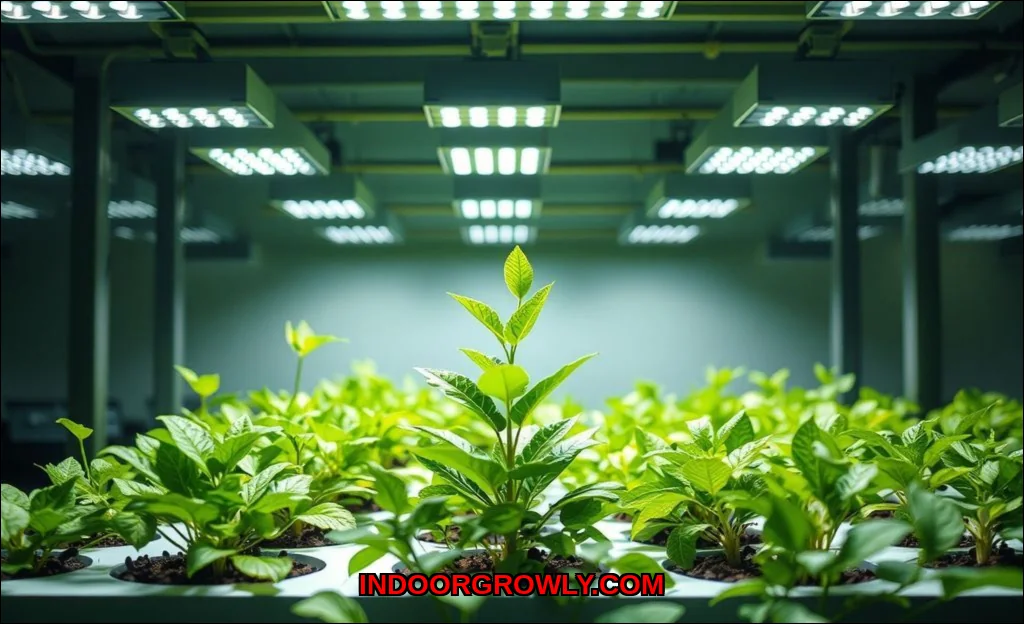
The Science of Light and Plant Structure
To understand density, you need to look at plant architecture. Two key terms are intermodal spacing (the distance between leaves on the stem) and leaf surface area. Wide spacing and small leaves mean low yield. Tight spacing and large, thick leaves mean high density and biomass.
Light drives this through photosynthesis and photomorphogenesis. While photosynthesis provides the energy (sugars) for growth, photomorphogenesis uses light signals to direct how that energy is used. Blue light receptors, for instance, tell the plant to suppress stem elongation and promote leaf expansion. Red light influences stretching and flowering. By manipulating these signals, you command the plant’s form.
Precise Spectrum Control: The Key to Compact Growth
Static, broad-spectrum lights offer a one-size-fits-all solution. Smart LEDs offer a tailored suit. You can adjust spectral ratios to trigger the exact morphological responses you want for leafy greens.
- Blue Light (400-500nm): This is your primary tool for density. Increased blue light reduces intermodal spacing, creating a shorter, stockier plant. It also stimulates chlorophyll production, leading to darker green, thicker leaves. Wondering how does blue light affect lettuce leaf density? It makes leaves denser, crisper, and more nutrient-rich.
- Red Light (600-700nm): While essential for photosynthesis, too much red can cause stretching. Smart lights let you balance red with ample blue, driving energy harvest without the legginess.
- Far-Red & Other Wavelengths: Advanced full spectrum lighting includes these to mimic natural sunlight, improving overall plant health and metabolic efficiency.
This is the “light recipe” concept. For the best light spectrum for compact basil growth, you might program a higher blue ratio during the vegetative stage. This level of control is fundamental for serious controlled environment agriculture research and development.
Automated Intensity & Photoperiod for Maximum Density
Spectrum tells the plant how to grow; intensity and duration determine how much it can grow. Smart systems master both.
Intensity is measured as Photosynthetic Photon Flux Density (PPFD)the number of light photons hitting a square meter per second. Different greens have different sweet spots. Microgreens need high PPFD for fast, dense growth, while mature lettuce might require less. Finding the right PPFD levels for dense microgreens versus full-head lettuce is key.
But the real game-changer is managing the Daily Light Integral (DLI). DLI is the total number of photons delivered over a 24-hour period. It’s the plant’s daily “light budget.”
- Too Low DLI: Growth is slow, leaves are thin, plants are leggy.
- Optimal DLI: Plants reach their maximum growth potential compactly and efficiently.
- Too High DLI: You hit diminishing returnsphotobleaching, heat stress, and wasted energy.
A smart system automates this. It can adjust intensity throughout the day or season to hit a perfect DLI target every single day, regardless of ambient conditions. This ensures consistent, vigorous growth without guesswork. You can set smart grow light schedules for leafy greens that automatically adjust, a feature explored in depth regarding how smart lights enhance growth transparency and data.
Beyond Light: How Smart Systems Manage Heat and Energy
Density isn’t just about light signals. Heat stress is a major enemy of compact growth. Traditional lights waste over half their energy as radiant heat, forcing you to raise lights higher, which reduces canopy penetration and causes stretching.
Smart LED systems excel in photon efficacy (more light per watt) and produce minimal radiant heat. This allows you to place lights closer to the canopy, dramatically improving light penetration to lower leaves. Those lower leaves stay productive instead of yellowing and dropping off, contributing to overall plant density.
The energy savings are significant. But more importantly, the reduced heat load means your climate control systems work less, creating a more stable and optimal environment for leaf thickness and stem strength. This efficiency is a cornerstone of modern vertical farming and Controlled Environment Agriculture (CEA).
Implementing a Smart Light Strategy for Your Greens
Ready to put this into practice? Heres a actionable framework.
- Define Your Crop and Goal: Are you growing delicate microgreens, robust kale, or fast-leafing lettuce? Each has unique DLI and spectral needs.
- Choose a Truly Programmable System: Look for lights that allow independent control of spectrum channels (blue, red, white) and intensity. App-based controls with scheduling are essential.
- Start with Established Light Recipes: Use research-based starting points. For example:
Crop Type Blue Light Emphasis Target DLI (mol/m/day) Lettuce (Hydroponic) Moderate-High 14-17 Basil High 12-15 Microgreens Very High 12-20 (short cycle) Spinach/Kale High 15-20 - Monitor and Adapt: Use the system’s data (if available) to track PPFD at the canopy. Observe plant responsesstem thickness, leaf color, spacingand tweak your recipe. Less stretch? Increase blue. Slow growth? Check if DLI is sufficient.
- Integrate with Your Environment: Smart lights should work with your timers, sensors, and possibly hydroponics system. The goal is a cohesive environment where light, nutrients, and climate work in concert.
The pursuit of dense leafy greens is a pursuit of precision. You’re no longer just feeding plants light; you’re having a conversation with them. You use specific spectral signals to command compact form, automated intensity to guarantee the perfect daily dose, and efficient technology to eliminate heat-related stretching. This controlled dialogue, enabled by smart LED systems, transforms your grow space from a simple room with lights into a true plant-shaping workshop. The result is unmistakable: fuller canopies, heavier harvests, and the ultimate satisfaction of a perfectly executed grow.