
You’ve invested in a smart, dimmable LED grow light. You can control the spectrum and intensity from your phone. But if your timer is off, that advanced technology is working against you. An inaccurate timer doesn’t just waste energy; it sends confusing signals to your plants, undermining their health and your final yield. Think of the timer as the conductor of your indoor garden’s orchestrawithout precise timing, the whole system falls out of sync.
For a reliable, basic mechanical timer that many growers trust for its consistency, consider the BN-LINK BND-60U47 Indoor timer. It’s a solid starting point. However, as you’ll see, the demands of modern horticulture often require more integrated, precise control than basic timers can provide.
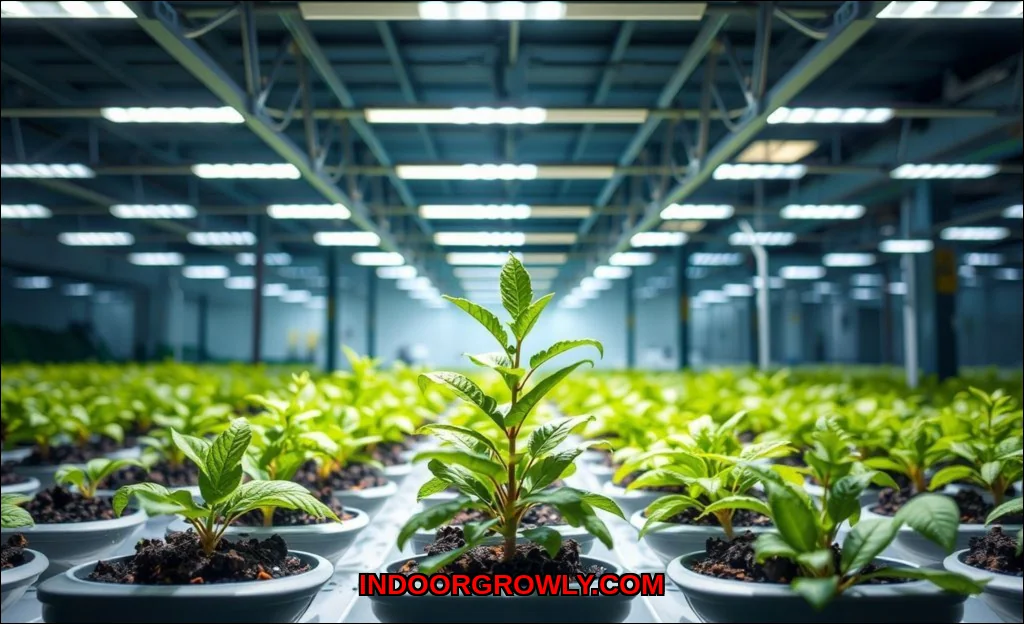
The Science of Photoperiodism: Why Timing is Everything
Plants don’t tell time with a clock. They use light. Photoperiodism is the physiological reaction plants have to the relative lengths of light and dark periodstheir day length requirements. This isn’t just about photosynthesis; it’s about developmental signaling. Your plant’s internal circadian rhythm uses these cues to decide when to grow leaves (vegetative growth) and when to switch energy to flowers or fruit (flowering trigger).
For seedlings, you might ask, how many hours of light for seedlings under LED? Typically, it’s 16-18 hours. For flowering plants like cannabis or poinsettias, that critical dark period is non-negotiable. Even a small light leak or a timer that turns on 15 minutes early can interrupt the hormonal cascade needed for flowering. The precision of your light cycle directly dictates your garden’s life stages.
Beyond On/Off: The Role of Precision in Modern Horticulture
Modern smart grow lights offer far more than simple on/off functionality. They provide spectrum control and are dimmable. This allows you to simulate sunrise, sunset, and even cloudy days. But these nuanced features are useless without an accurate timer to execute the schedule flawlessly. PPFD consistency (Photosynthetically Active Photon Flux Density) isn’t just about intensity; it’s about delivering the right amount of light energy, measured as the Daily Light Integral (DLI), at the exact right times.
This is where automated scheduling shines. A smart system can gradually ramp up intensity at “dawn” to avoid shocking plants, and slowly dim at “dusk.” This mimics nature more closely than a harsh, abrupt switch. This level of control is a key reason smart grow lights enhance plant growth by creating a more natural and less stressful environment.
Consequences of Inaccurate Timing: Stress, Hermaphroditism, and Reduced Yield
What happens when the timer drifts or fails? The results can be catastrophic, not just suboptimal.
- Light Stress: Abrupt light changes or incorrect photoperiods force plants into a state of shock. They may stall growth, curl leaves, or show signs of bleaching as they struggle to adapt.
- Hermaphroditism: This is a major risk, especially for dioecious plants like cannabis. Expert insight confirms that inconsistent photoperiods are a primary environmental trigger for stress-induced hermaphroditism. A plant under timing stress may develop both male and female flowers to ensure its own genetic survival, potentially ruining an entire crop with pollen.
- Reduced Yield and Quality: If the flowering trigger is confused, bud development suffers. You get less biomass, lower potency, and airier flowers. Energy is wasted on survival, not production.
a timer drift of just 30 minutes over a week can be enough to disrupt a sensitive flowering cycle. It’s a silent yield killer. This underscores why having adjustable LED grow lights paired with a precise timer is non-negotiable for serious growers.
Smart Integration: How Accurate Timers Unlock Full System Potential
The true power of an accurate timer extends beyond the lights. It becomes the central brain for your grow environment. Expert growers know that accurate timers are critical for coordinating supplemental systems.
With precise automated scheduling, you can create sophisticated routines:
- Lights-Off CO2 Enrichment: Inject CO2 only when lights are on and plants are actively photosynthesizing, saving money and increasing efficiency.
- Lights-On Nutrient Dosing: Schedule fertigation events to coincide with peak metabolic activity.
- Synchronized Climate Control: Have fans and humidifiers adjust automatically with the light cycle to maintain a stable Vapor Pressure Deficit (VPD) environment, which is crucial for plant health.
This integrated approach transforms your setup from a collection of parts into a cohesive, living ecosystem. For a deeper dive into the science behind light and plant development, research from sources like Frontiers in Plant Science on plant photobiology offers valuable insights.
Choosing and Setting Up Your Timer for Optimal Results
So, what should you look for, and how do you implement it? The best timer schedule for flowering plants is one that is perfectly consistent and tailored to the species.
Selecting Your Timer
You have three main tiers:
- Basic Mechanical Timers: Affordable and simple, but prone to drift over time and offer no automation. Good for beginners with photoperiod-insensitive plants.
- Digital Programmable Timers: More accurate, with battery backup to survive power outages. They allow for multiple on/off events per day.
- Smart WiFi/App-Controlled Timers & Systems: The gold standard. These integrate directly with smart grow lights and other devices, allow for remote control and monitoring, and can execute complex, sunrise/sunset-style dimming schedules. They provide the precision needed for professional results.
Implementation Checklist
Once you have your timer, follow these steps:
| Step | Action | Expert Tip |
|---|---|---|
| 1. Research | Confirm your plant’s specific vegetative and flowering photoperiod needs. | Don’t guess. Consult reputable guides, like those from university extension services. |
| 2. Program | Set your schedule with absolute precision. Double-check AM/PM settings. | Use “sunrise/sunset” features if your system has them to reduce light stress. |
| 3. Test | Run the schedule for 2-3 days without plants to confirm accuracy and look for light leaks. | Listen for the click. A consistent, on-time click is the sound of success. |
| 4. Integrate | Connect other devices (fans, pumps) to the same schedule or a complementary one. | Stagger start times for high-power devices to avoid tripping breakers. |
| 5. Monitor | Check timer accuracy weekly against a reliable clock. Watch plant response. | Timer drift is incremental. A weekly check prevents a monthly disaster. |
Always ask: can inaccurate timers cause plant hermaphroditism? The definitive answer is yes. This risk alone makes the investment in a precise timer one of the most important you can make.
The Bottom Line on Timing
Your smart grow light is a powerful tool. But its intelligence is bottlenecked by the accuracy of its schedule. An imprecise timer introduces chaos into a system designed for control. It wastes the potential of your dimmable LED and undermines your efforts to manage spectrum control and PPFD consistency.
The debate of smart grow light vs manual timer pros and cons leans heavily toward smart integration. For hobbyists, a reliable digital timer is the minimum. For anyone seeking robust yields, especially with photoperiod-sensitive crops, a smart, app-controlled system that unifies lighting, climate, and nutrient delivery is the clear path forward. Its the difference between hoping your plants grow and knowing they will. Start with the clock. Everything else follows.