
You want to grow fresh herbs, vibrant lettuce, or even tomatoes in your apartment. The vision is clear: a lush, productive corner that defies the concrete jungle outside. But your sunny windowsill is a myth. It gets maybe three hours of decent light. This is the universal hurdle of indoor gardening in the city. Without sufficient light, plants become leggy, weak, and ultimately fail.
This is where technology bridges the gap. Modern LED grow lights have moved far beyond the simple purple glow of a decade ago. The real game-changer is intelligence. Smart grow lights give you precise, automated control over the most critical factor for plant health: light itself. For a compact, user-friendly entry point, many urban gardeners find success with the Necgemlex Smart LED. It combines app control with a balanced spectrum, making it a practical tool to start experimenting with smart home gardening.
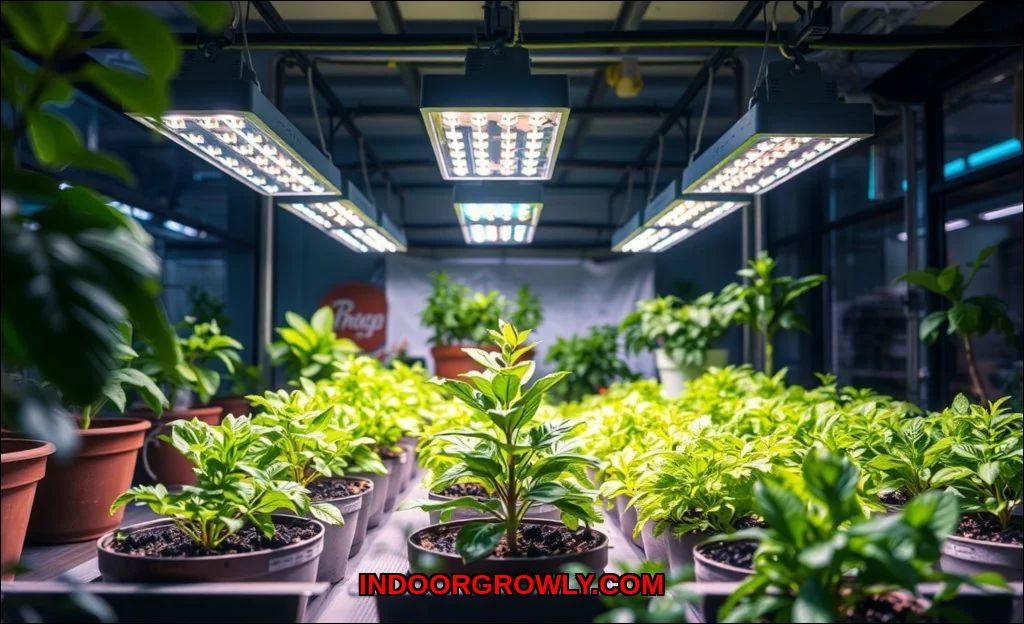
The Core Challenge of Urban Gardening: Limited Light
Urban spaces are defined by their constraints. You’re likely dealing with shaded courtyards, north-facing windows, or simply limited square footage. Natural light is a precious commodity. Plants don’t just need “brightness”; they require specific wavelengths and intensities to drive photosynthesis, the engine of all plant growth stages.
Relying on inadequate light leads to etiolationstretched, pale growth as the plant desperately reaches for a light source. Flowering and fruiting plants, like peppers or strawberries, may never transition out of their vegetative state. Smart grow lights solve this by creating a consistent, optimized controlled environment agriculture on your countertop or shelf.
What Makes a Grow Light ‘Smart’?
A standard grow light turns on and off. A smart grow light is a dynamic tool. Its intelligence stems from connectivity and programmability, typically via Wi-Fi / Bluetooth Connectivity and a companion Mobile Application.
- Automation & Remote Control: Set a light schedule that runs automatically, mimicking dawn, dusk, and day length (Photoperiod). Adjust it from your phone, whether you’re at work or on vacation.
- Spectrum Tuning: Many smart lights let you adjust the color output. You can emphasize blues for compact, leafy growth (ideal for herbs and lettuce) or reds to encourage flowering and fruiting.
- Intensity Control: Dial the brightness up or down based on your plant’s needs and its distance from the light source.
- Integration: Some lights sync with other smart home systems or sensors, creating a fully automated micro-environment.
This level of control transforms your approach. It turns guesswork into a repeatable process. For a deeper look at how this technology provides unprecedented insight, explore our article on how smart grow lights enhance plant growth transparency.
The Science of Light: Spectrum, Intensity, and Duration
To use smart lights effectively, you need a basic grasp of light science. Think of light as a recipe for your plants.
1. Spectrum: The Ingredients
Full spectrum light aims to replicate the sun, containing all colors visible to humans and some beyond. Plants primarily use blue (400-500 nm) and red (600-700 nm) light for different functions. Blue promotes vegetative growth; red influences flowering and stem elongation. The balance between red and far-red light is sensed by a plant pigment called phytochrome, which influences the phytochrome photostationary state (PPS)a key trigger for flowering. Smart lights let you tweak this balance.
2. Intensity: The Dosage
This is where most beginners go wrong. Light intensity isn’t about wattage (that’s energy draw). For plants, you measure Photosynthetic Photon Flux Density (PPFD). It tells you how many photosynthetically active photons hit a square meter each second (mol/m/s). A low-light herb might thrive at 200 PPFD, while a fruiting tomato needs 600+.
Even more useful is the Daily Light Integral (DLI), which is the total number of photons delivered over a full day (mol/m/d). It’s the plant’s daily “meal” of light. Matching a plant’s DLI requirement is critical for robust growth. Reputable manufacturers provide PPFD maps for their lights. For a foundational guide on light measurement, the LED grow light wattage and intensity guide for beginners is an excellent external resource.
3. Duration: The Timing
The Photoperiod, or day length, signals the season to plants. Long days (14+ hours of light) keep many plants vegetative. Short days (12 hours or less) trigger flowering in “short-day” plants like chrysanthemums. With a smart light, you can program seasonal shifts. Want to force your basil to stay bushy? Give it 18-hour days. Ready to get peppers to bloom? Switch to a 12/12 schedule. This ability to mimic seasonal light changes is a core expert insight that turns gardening from an art into a repeatable science.
Practical Benefits: Efficiency, Control, and Yield
So, why does this technical control matter for your urban oasis? The benefits are immediate and tangible.
Energy Efficiency & Cost Savings
How do smart grow lights save energy? Directly and intelligently. Modern LEDs are inherently efficient, converting most energy into light, not heat. The smart features amplify this. You can set precise schedules so lights aren’t running unnecessarily. You can dim lights when full power isn’t needed. Over months, this adds up to significant savings on your electricity bill compared to running old-school, high-heat lights 24/7.
Optimized Growth and Higher Yields
By delivering the right spectrum and intensity at the right time, you eliminate stress. Plants grow compact, strong, and productive. You can accelerate growth cycles for microgreens cultivation or successfully overwinter tender plants. The data-logging aspect is powerful: once you find the perfect “light recipe” for your cherry tomatoes, you can save it and replicate it perfectly every season. This principle is central to advanced controlled plant research using smart grow lights.
Ultimate Convenience and Peace of Mind
Automation is freedom. Your plants get consistent care even during your busy weeks or while you travel. No more coming home to wilted seedlings because you forgot to turn on the lamp. This reliability is what makes an indoor herb garden truly sustainable for your lifestyle.
Getting Started with Smart Grow Lights
Ready to implement? Focus on your plants’ needs first.
Choosing Your Light
Ask: What am I growing? Herbs, lettuce, and leafy greens have lower light demands. Fruiting vegetables and flowering plants need high-intensity, full-spectrum lights. For small apartments, look for slim panels or bulb styles that screw into a standard fixture. Grow Light Bulbs from brands like Philips Hue or GE can be a simple start. For serious urban farming of high-light crops, larger Grow Light Panels from brands like Spider Farmer are designed for the task. To see how top brands compare for various needs, comprehensive reviews of the best grow lights for 2025 offer valuable comparisons.
Setting Up Automated Light Schedules for Herbs (and More)
- Position the light correctly. Follow the manufacturer’s hanging height recommendation. Too close can cause light burn; too far leads to stretching.
- Download the app and connect. This is usually straightforward.
- Program your schedule. For most leafy herbs and greens, a 14-16 hour day works well. Use the app to set the on/off times. Many apps have “sunrise/sunset” fade features to reduce plant stress.
- Start with a preset spectrum. Use a “veg” or “growth” mode for leafy plants. Observe your plants for a week. Are they compact? Are leaves a deep green? Adjust intensity or spectrum slightly if needed.
- Experiment. The true power is in customization. Try increasing the blue light if your basil is getting leggy. When your pepper plant is mature, switch to a “bloom” spectrum to encourage flowers.
Do smart grow lights work for vegetables? Absolutely. They are often the only way to get decent yields of light-hungry plants like tomatoes, cucumbers, or peppers indoors. The key is selecting a light with a high enough PPFD output and using the smart controls to provide a long, intense daily light integral.
Lighting the Way Forward
Urban gardening is no longer limited by geography or architecture. Smart grow lights are the key that unlocks year-round, productive cultivation in any space. They empower you to master the fundamental variable of photosynthetically active radiation. You move from hoping your plants get enough light to knowing they are receiving the exact quality and quantity they need.
Start with one light over a kitchen herb garden. Learn how spectrum changes growth. See how automation creates consistency. You’ll quickly understand that this isn’t just a gadgetit’s a fundamental shift in how you cultivate life indoors. Your plants will show you the difference.