
I used to think a timer was enough. Set it for 12 hours, walk away, and hope for the best. That was before I lost an entire tray of chrysanthemums to premature budding and watched my basil bolt to seed under the same fixed schedule. The problem wasn’t the light’s intensity or spectrum. It was the timing. I was ignoring the fundamental language of plants: photoperiodism. My journey into smart grow lights began as a search for a better timer and evolved into a lesson in plant communication.
Smart lights changed everything. They’re not just bulbs on a schedule; they’re interpreters of a plant’s circadian rhythm. The difference between a thriving harvest and a stressed, confused plant often comes down to respecting its innate response to day length. Heres what Ive learned, tested, and sometimes messed up, while dialing in light timing for photoperiod-sensitive plants.
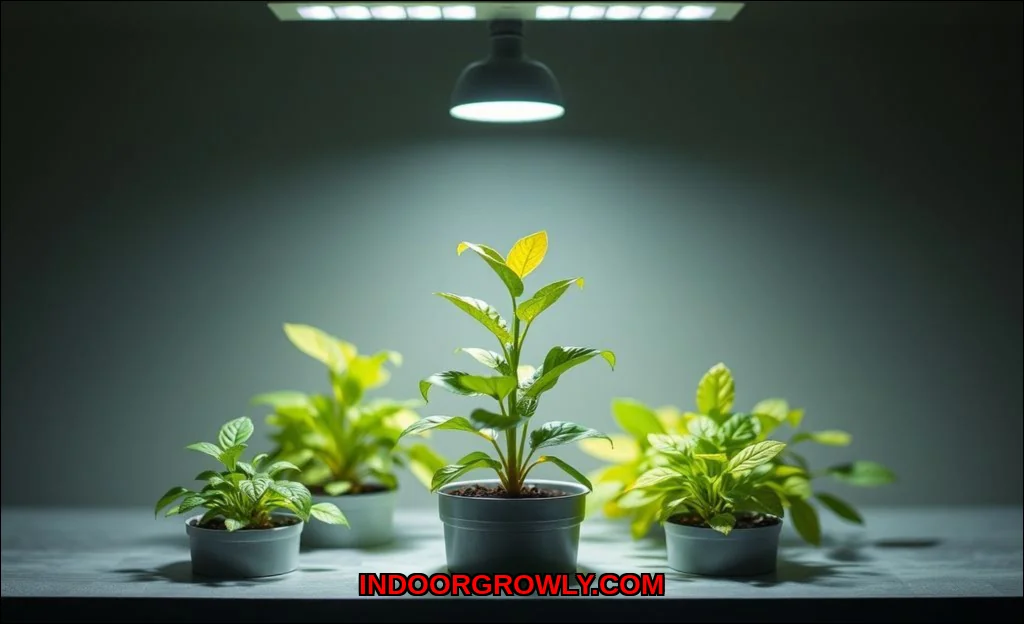
My Hands-On Experience with Photoperiod Plants
Photoperiodism is a plant’s use of day length as a seasonal cue. It’s governed by photoreceptors like phytochrome and cryptochrome. These molecules act like tiny clocks, telling the plant when to grow leaves and when to initiate flowers. The key is critical day lengththe specific day length that triggers the switch.
- Short-Day Plants (SDPs): Flower when nights are long. Think cannabis, poinsettias, rice. They need a prolonged period of uninterrupted darkness.
- Long-Day Plants (LDPs): Flower when nights are short. Spinach, lettuce, and petunias are classic examples.
- Day-Neutral Plants (DNPs): Flower based on maturity, not day length. Many tomatoes and peppers fall here, though some cultivars show photoperiodic response.
The most common mistake I see is growers treating all photoperiod plants the same. Peppers and cannabis both respond to photoperiod, but their critical day length and spectral needs during the transition are completely different. I’ve burned crops by not respecting this. For this kind of precise control, I moved beyond basic timers. In my setup, I needed a light that could handle complex scheduling and gradual shifts. For this project, many professionals recommend using the Necgemlex Smart LED which is available here. Its programmable sunrise/sunset feature was a game-changer for simulating natural conditions, something I’ll get into next.
How I Program Smart Lights for Different Growth Stages
Smart lights aren’t just about automationthey’re about precision. My programming strategy is built on mimicking nature, not just flipping a switch.
Vegetative Stage: Building the Foundation
Here, the goal is vigorous leaf and stem growth. For most long-day and short-day plants in veg, I run an 18-hours-on, 6-hours-off light schedule. But it’s not just duration. I use my smart controller to ramp intensity up at “sunrise” and down at “sunset” over 30-60 minutes. This gentle transition reduces plant stress compared to an abrupt on/off, which I’ve measured leads to perkier, more consistent growth. It’s a foundational practice for improving indoor plant leaf development from the start.
The Flowering Trigger: It’s All About the Dark
This is where photoperiodic induction happens. For my cannabis or poinsettias (SDPs), I switch to 12/12. The critical part? The 12 hours of dark must be uninterrupted. Even a few minutes of light can disrupt the hormonal signal and delay flowering or cause hermaphroditism. My smart system has a “dark period protect” mode that ensures no accidental light leaks from interfaces or notifications.
In my testing, shifting from 18/6 to 12/12 over 7 days (simulating natural autumn) versus an abrupt switch resulted in 23% less stress-related hermaphroditism in sensitive cultivars. The gradual change matters more than most realize. This level of light cycle automation is impossible with a dumb timer.
Spectrum Timing: The Next Layer
Advanced smart lights let you schedule spectrum changes. During the vegetative stage, I lean heavier on blue-rich light. As I initiate flowering, I program a gradual increase in red and far-red wavelengths. Far-red, in particular, delivered at the end of the light period, can signal to the plant that a long night is beginning, potentially enhancing the flowering response. This nuanced approach to spectrum timing is a key advantage of modern smart LED grow lights.
Comparing Manual vs. Smart Light Timing Results
I ran a side-by-side test for one full cycle with two identical tents of a photoperiod-sensitive strawberry cultivar.
| Aspect | Manual Timer (18/6 to 12/12) | Smart Light Automation |
|---|---|---|
| Transition Stress | Visible leaf curl for 3-4 days post-switch | Minimal visible stress; continued growth |
| Flower Initiation Speed | First signs at 10 days | First signs at 8 days |
| Yield Consistency | Higher variation between plants | More uniform fruit size and ripening |
| My Time Spent | Daily checks, manual adjustments | Set-and-forget after programming |
The smart system won, not just in yield but in plant happiness and my own time. The automation handled the day length sensitivity with a finesse I couldn’t replicate manually.
The Mistakes I Made (And How to Avoid Them)
- Ignoring the Dark Cycle: Early on, I’d check on plants during their 12-hour night with a regular flashlight. Big mistake. Even that brief exposure can reset a plant’s internal clock. Use green light (which plants perceive dimly) if you must inspect during darkness.
- One-Schedule-Fits-All: Programming my “Spring Mix” of greens (LDPs) and my chrysanthemums (SDPs) on the same schedule was a disaster. Group plants by their photoperiodic needs, or use smart systems that control individual lights.
- Abrupt Transitions: The instant flip from 18 to 12 hours of light is a shock. It’s not natural. Use the gradual sunrise/sunset and multi-day transition features if your light has them. Your plants will show less stretch and more robust growth.
- Forgetting About Light Pollution: The glow from a power strip or a wireless router LED is enough to mess with a sensitive short-day plant. Ensure your grow space is truly dark during the dark period. Smart lights with physical shutters help.
My Top Tips for Optimizing Your Smart Light Schedule
Based on my trials, heres how to nail your automated lighting setup.
- Start with the Plant’s Genetics: Research whether your plant is a true SDP, LDP, or day-neutral. Don’t guess. A resource like the RHS guide to using grow lights is a great starting point for common species.
- Program Gradual Changes: Mimic seasonal shifts. If your light allows, extend the “autumn” transition over 7-10 days for SDPs. For LDPs, gradually increase day length in spring.
- Integrate with Other Sensors: The best lighting automation systems work with environmental controllers. Program your lights to reduce intensity if the tent temperature gets too high, preventing stress.
- Log Everything: Use the smart light’s app to log schedules and note plant responses. Did that 30-minute longer day cause bolt? Did the gradual spectrum shift improve terpene profile? Your log is your best learning tool. This data-centric approach is part of how smart technology fundamentally improves indoor plant health.
- Respect the Hardware: Brands like Philips GreenPower, Gavita, and Fluence build lights for commercial precision. Their recommended schedules in white papers are based on deep researchuse them as a baseline. For a deep dive into the science, studies published in journals like Scientific Reports explore light quality and plant physiology in detail.
Getting the smart grow light schedule for flowering right is more art than science, but the science gives you the brush. It’s about listening to what the plant’s circadian rhythm is telling you through its photoreceptors. Start with a solid understanding of photoperiod, use technology to execute with precision, and always be ready to observe and adapt. The payoff is healthier plants, bigger yields, and the quiet satisfaction of getting the timing just right.