
You want your plants to thrive, not just survive. In indoor gardening, light is everything. It’s the engine of growth, the signal for flowering, and a key factor in plant health. Traditional grow lights are like a blunt instrumentthey provide light, but not necessarily the right light at the right time. Smart grow lights change that equation entirely. They give you precise, automated control over the light environment, directly translating to increased plant vigor, resilience, and yield.
Think of vigor as a plant’s overall health and vitality. It’s seen in strong stems, lush foliage, robust root systems, and prolific flowering. Achieving this indoors requires mimicking and optimizing nature’s nuances. That’s where smart technology shines. For those seeking a balance of advanced control and user-friendly operation, the Necgemlex Smart LED is a popular choice among home gardeners for its full-spectrum capabilities and programmable features.
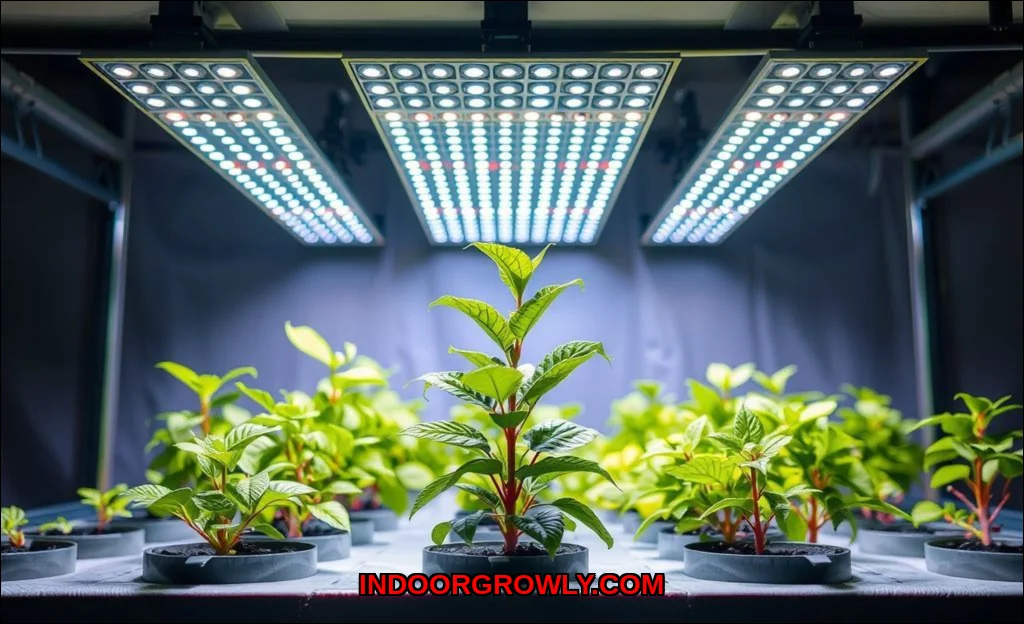
The Science of Light and Plant Physiology
Plants don’t just see light; they communicate with it. Photosynthesis is the famous process, where light energy is converted into chemical energy. But light also governs Photomorphogenesishow plants grow and develop. Specialized photoreceptors like phytochromes (sensing red and far-red light) and cryptochromes (sensing blue and UV) act as the plant’s eyes, telling it when to stretch, when to bush out, and when to flower.
The key metric for photosynthesis is Photosynthetically Active Radiation (PAR), which is light between 400-700 nm. Within PAR, you measure intensity as PPFD (Photosynthetic Photon Flux Density)the number of PAR photons hitting a square meter each second. But intensity is only part of the story. You also need to consider the total light dose, known as the Daily Light Integral (DLI), which is the cumulative PPFD over a full photoperiod. Getting the DLI right is fundamental for vigorous growth.
Precise Spectrum Control: Mimicking and Optimizing Nature
Sunlight isn’t a static, white light. It changes throughout the day and seasons. A static, blurple (blue-red) LED or a basic white panel can’t replicate this dynamism. Full-spectrum smart LED grow lights can. You can tailor the spectral outputthe exact blend of blues, greens, reds, and even far-red and UVto specific plant growth stages.
- Vegetative Growth: Higher blue light promotes compact, sturdy stems and lush leaf development. It’s the best light spectrum for vegetative growth to prevent leggy, weak plants.
- Flowering & Fruiting: Increased red and far-red light encourages blooming, bud development, and fruit set. Far-red can even influence flowering time and plant architecture.
This strategic application of specific “light recipes” is called spectral steering. It’s an expert technique that allows you to enhance desired traitslike compactness, essential oil content, or cannabinoid productionin ways static lighting simply cannot achieve. For a deeper dive into how spectrum manipulation works, explore our article on how smart grow lights enhance plant growth through spectral transparency.
Dynamic Intensity and Photoperiod Management
Consistency is king in a controlled environment. Smart lights automate the two most critical timing factors: intensity and photoperiod.
Light intensity control via dimming is crucial. Seedlings need gentle light; mature plants can handle much more. With a smart system, you can schedule a gradual “sunrise” and “sunset,” eliminating the shock of a sudden light blast. This mimics natural dawn and dusk cues, reducing plant stress. You can also precisely dial in the PPFD to match your plant’s exact DLI needs without guesswork.
Automated lighting schedules for plants ensure the perfect photoperiod (light/dark cycle) every single day. This is non-negotiable for photoperiod-sensitive plants that flower based on night length. No more missed timers or irregular cycles that can cause hermaphroditism or stalled growth.
Reduced Stress and Improved Resource Allocation
Abiotic stresslike light stressis a major vigor killer. Too much intensity causes photoinhibition, where the photosynthetic machinery gets damaged and must be repaired. This wastes energy. Irregular light cycles disrupt hormonal balance.
By providing the ideal, consistent light environment, smart lights minimize these stresses. Your plants spend less energy on stress response and repair. Instead, they redirect those resources into what you want: primary growth, root development, and the production of valuable secondary metabolites (flavors, aromas, colors, and defense compounds). The result is a more resilient, vigorous plant.
Data Integration and Adaptive Learning
The smartest systems go beyond pre-set schedules. They can integrate with environmental sensors (humidity, temperature, CO2) and adapt the light output in real-time. If your grow tent gets too hot, the lights could automatically dim slightly to reduce heat stress while maintaining DLI. This level of optimization is the frontier of indoor gardening and is pivotal in commercial Controlled Environment Agriculture (CEA). This data-driven approach is why smart grow lights are fundamental for serious plant research and cultivation.
Practical Benefits for Your Garden
So, what does all this science mean on your shelf or in your grow tent? Concrete plant vigor benefits you can see and measure.
| Feature | Direct Impact on Plant Vigor |
|---|---|
| Spectrum Tuning | Promotes stage-appropriate morphology: stronger stems in veg, heavier flowers in bloom. |
| Dimmable Intensity | Prevents light burn/stress, allows perfect DLI delivery from seedling to harvest. |
| Automated Photoperiod | Eliminates flowering errors, ensures perfect hormonal timing for robust development. |
| Sunrise/Sunset Simulation | Reduces daily transition shock, leading to smoother metabolism and growth. |
| Reduced Radiant Heat | LED grow lights are inherently cooler, but smart dimming manages temps further, reducing heat stress. |
This leads to tangible outcomes: faster growth cycles, higher yields per watt, improved crop quality (potency, flavor, shelf-life), and overall hardier plants that better resist pests and diseases. You’re not just adding light; you’re engineering an ideal growth environment.
Making the Smart Choice for Vigor
When selecting a smart light, focus on the controls. You want true full spectrum LED tuning (not just fixed white), reliable PAR value and PPFD data from the manufacturer, and robust app-based scheduling. Look for features that address the core principles: spectrum, intensity, and timing.
The question of how do smart grow lights improve plant health is answered in the details. They provide the right signal, at the right intensity, for the right duration. This precision eliminates guesswork and environmental stressors, allowing your plants to express their full genetic potential. For comprehensive reviews and comparisons of top-performing units, trusted resources like Epic Gardening’s grow light guide and University of Minnesota Extension’s indoor plant lighting resource are excellent places to continue your research.
Your goal is vigorous plants. By harnessing smart light technology, you move from being a passive observer to an active director of your garden’s growth. You give your plants the clarity and consistency they need to channel all their energy into becoming the strongest, healthiest versions of themselves. Start with the spectrum, master the schedule, and watch your garden’s vigor truly take off.