
You want fresh herbs year-round. You dream of homegrown lettuce without the weeds. But your schedule is packed, and traditional gardening feels like a mystery. What if your garden could manage itself and text you updates? That’s the promise of smartphone-controlled grow systems. They bring precision agriculture into your kitchen or living room, turning your phone into a remote control for plant life.
These systems combine indoor hydroponics with IoT (Internet of Things) technology. You get automated gardening at your fingertips. For beginners looking for a streamlined entry point, a system like the LetPot LPH-SE Hydroponics kit offers a great balance of app control and simplicity. It’s a practical way to experience automated hydroponics without feeling overwhelmed.
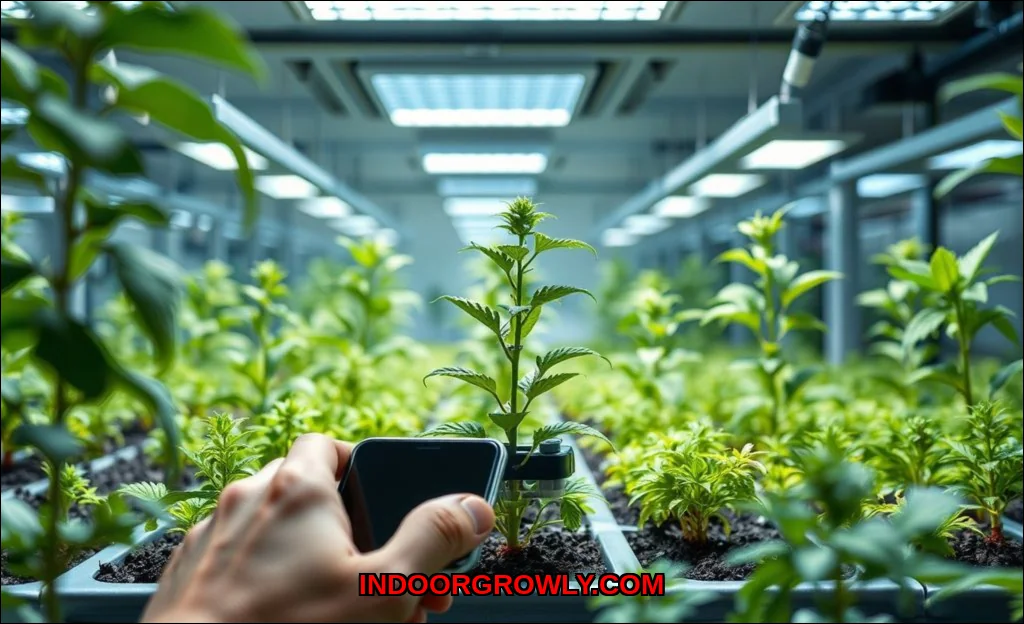
What Are Smartphone-Controlled Grow Systems?
At their core, these are closed-loop ecosystems for plants. A smart garden system uses sensors, software, and automation to replicate ideal growing conditions. You interact with it primarily through a mobile application on your smartphone or tablet. The app gives you remote control and real-time data, turning guesswork into data-driven decisions.
Think of it as a personal plant assistant. It handles the daily choreslighting, watering, feedingwhile you monitor progress from anywhere. This isn’t just a fancy pot with a light; it’s an integrated approach to indoor grow setup. The goal is consistent, optimized plant growth with minimal daily effort from you.
Core Components and How They Work
Every system is built on a few key pieces of technology working together. Understanding them helps you see how the magic happens.
The Hardware Trio: Sensors, Actuators, and Hub
The system’s “nervous system” consists of environmental sensors. These constantly measure factors like water pH, nutrient levels, ambient temperature, humidity, and light intensity. This data is the foundation for plant health monitoring.
Actuators are the “muscles.” They include automated nutrient delivery pumps, water pumps, and, crucially, programmable grow lights. The hub or controller is the brain, processing sensor data and commanding the actuators based on rules or your app inputs.
The Software: Your Command Center
The companion mobile application is your window into the garden. It provides remote access and real-time monitoring. Through the app, you can adjust light schedules, initiate a watering cycle, or check if the nutrient reservoir is low. Advanced systems use cloud connectivity to send you alerts and store historical growth data for analytics.
Some platforms are proprietary, tied to a specific brand like AeroGarden or Click & Grow. Others are moving toward open-source or more flexible app platforms, allowing for deeper customization. This is a key differentiator as the market evolves.
Integration and Connectivity
This is a missing entity many basic reviews overlook. Leading systems now offer integration with smart home ecosystems like Amazon Alexa or Google Home. Imagine saying, “Alexa, ask my garden how the basil is doing.” This connectivity turns your smart garden from a standalone gadget into a seamless part of your home’s IoT network.
Key Benefits Over Traditional Gardening
Why choose a smart system over a pot of soil on the windowsill? The advantages are compelling, especially for modern lifestyles.
- Precision and Consistency: Machines don’t forget. Your plants get the exact light, water, and nutrients they need, on schedule, every single day. This eliminates human error and leads to faster, healthier growth.
- Massive Time Savings: Automation handles daily tasks. You’re freed from daily watering and manual feeding, reclaiming hours each month. The convenience factor is a major driver.
- Year-Round, Location-Independent Growing: Climate and season no longer limit you. Grow tropical herbs in winter or lettuce in a dark apartment. With remote control, you can manage your garden while on vacationtrue peace of mind.
- Resource Efficiency: Closed-loop hydroponic systems use up to 90% less water than soil gardening. Smart systems optimize energy use by running pumps and lights only when needed. This detailed data on water/energy savings is a significant, often under-reported benefit.
- Educational Value: The app’s data transforms growing from an art into a science. You learn precisely how different variables affect your plants, building knowledge for any future gardening endeavor.
Popular Types and Methods
Not all smart gardens are the same. They typically fall into a few categories, suited for different goals and spaces.
All-in-One Kitchen Herb Gardens
Brands like Gardyn and AeroGarden popularized this category. These are compact, stylish, plug-and-play units designed for growing herbs, lettuces, and small greens on your countertop. They are perfect for answering the question, “are automated grow systems worth the cost” for casual growers. They offer ultimate simplicity.
Modular and Scalable Systems
These are for the more serious hobbyist. They often use vertical towers or expandable modules, letting you scale from a few plants to dozens. This approach is ideal for someone wanting a larger indoor hydroponics setup for continual harvests of leafy greens or strawberries.
DIY Smart Hydroponic Controllers
For the tinkerer, open-source projects exist where you can add smart controllers to existing hydroponic systems (like Deep Water Culture or Ebb & Flow). This path offers maximum flexibility and lower cost but requires more technical know-how for setting up a smart hydroponic system for beginners.
| Type | Best For | Example Brands/Categories |
|---|---|---|
| All-in-One Kits | Beginners, small spaces, herbs & microgreens | AeroGarden, Click & Grow, herb gardens |
| Modular Grow Systems | Hobbyists, larger yields, scalability | Gardyn, vertical garden kits |
| DIY Controller Add-ons | Tech enthusiasts, custom setups | Open-source hardware platforms |
Getting Started: Setup and Maintenance
Ready to dive in? The process is straightforward, especially with a pre-configured kit. Heres a practical roadmap.
Initial Setup and Installation
- Unbox and Assemble: Most systems require minimal assembly. Follow the manual to connect the reservoir, pump, and light fixture.
- Power and Connect: Plug in the unit and download the companion app. You’ll typically connect the system to your home Wi-Fi network through the appthis enables remote access.
- Add Water and Nutrients: Fill the reservoir with water and add the provided liquid nutrients. The automated nutrient delivery system will handle the rest.
- Insert Plants: Place pre-seeded pods or your own seedlings into the designated spots. The system’s smart grow lights for hydroponic systems are calibrated for optimal growth from this stage.
Ongoing Operation and Monitoring
Your primary job shifts from labor to oversight. Open the app daily for a quick check. You’ll see dashboards showing vital stats. The app will notify you when to refill water or add more nutrientsusually every 1-2 weeks.
For those looking to expand, understanding how smart grow lights help scale indoor systems is key. Lighting is often the limiting factor in expansion, and smart lights allow precise control over intensity and spectrum as your garden grows.
Essential Maintenance Tips
- Reservoir Hygiene: Every few growth cycles, empty and clean the water reservoir to prevent algae or biofilm buildup.
- Sensor Check: Gently wipe environmental sensors (like pH probes) if you notice readings becoming erratic.
- Light Care: Dust the LED light panels regularly to ensure maximum output reaches your plants.
- App Updates: Keep the mobile application updated to access new features and bug fixes.
Troubleshooting Common Questions
How do smartphone-controlled grow systems work when the internet goes down? Most have a fallback mode, using their last instructions to continue basic operations until connectivity returns.
Wondering about the best smartphone apps for indoor gardening? It depends on your system. Proprietary apps like Gardyn’s are highly polished but locked-in. Open-source platforms offer more control but a steeper learning curve. Research this before you buy.
Smartphone-controlled grow systems demystify indoor gardening. They replace uncertainty with clarity and labor with leisure. You get the satisfaction of growing your own food with the convenience of modern technology. It’s a tangible application of IoT that makes a real difference in your home.
Start by defining your goalsa few fresh herbs or a weekly salad supply. Then choose a system that matches. Remember, you’re not just buying a gadget; you’re investing in a new, simpler relationship with your food. The learning curve is gentle, and the payoff is on your plate. For a deeper dive into the soilless growing method at the heart of most of these systems, you can explore the fundamentals of hydroponics. Your smart garden is waiting.