
You want your plants to thrive, not just survive. Traditional indoor gardening often feels like a guessing game with water, light, and food. What if your planter could handle the precision work for you? That’s the promise of smart planters with nutrient control. These aren’t just pots with a timer; they’re integrated smart gardening systems designed to optimize plant health from the roots up.
For those new to the concept, a great starting point is the Smart FlowerpotsSmart Pet. It exemplifies how modern technology simplifies plant care by automating core functions. This approach removes the biggest hurdles for beginners and ensures consistent results. Let’s explore how this technology works and why it might be the upgrade your indoor garden needs.
What Are Smart Planters with Nutrient Control?
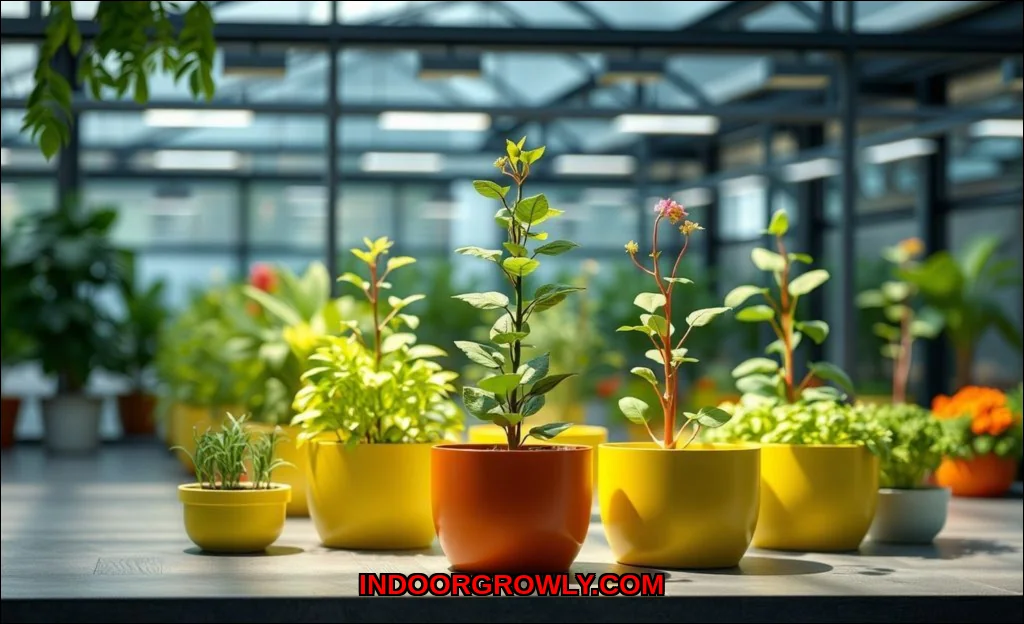
Think of a smart planter as a miniaturized, automated ecosystem for a single plant or a small garden. At its core, it’s a self-watering planter taken to the next level. These systems integrate water reservoirs, nutrient sensors, and often, built-in LED grow lights. They form a key part of modern smart garden systems and indoor growing systems.
The “smart” label comes from their ability to monitor and react. Using IoT sensors, they track moisture, light exposure, and most importantly, nutrient levels in the water. This data is typically managed via a mobile app, giving you a dashboard for your plant’s health. It’s precision agriculture scaled down for your living room.
How Nutrient Control Technology Works
The magic happens beneath the surface. Heres a breakdown of the core components that answer the common question: how do smart planters with nutrient sensors work?
The Sensing and Delivery System
This is the brain and the muscle of the operation. pH monitoring and electrical conductivity (EC) sensors constantly analyze the water-nutrient solution. They determine if the essential minerals are available in the right concentration.
- Nutrient Sensors: Detect the concentration of dissolved salts (nutrients) in the water.
- Automated Delivery: When levels dip, a small pump or mechanism releases a precise dose of liquid fertilizer from an integrated cartridge.
- Water Reservoirs: Separate the roots from standing water to prevent rot, using wicks or controlled flooding.
This creates a closed-loop hydroponics or aeroponics system. The plant’s roots are fed directly with an optimized solution, leading to faster growth and higher yields compared to soil.
Connectivity and Control
Your smartphone becomes your garden remote. The planter connects via Wi-Fi or Bluetooth, sending you alerts for low water, low nutrients, or when it’s time to harvest. Brands like Click & Grow, AeroGarden, and Gardyn have refined this app experience, making automated gardening accessible. You can adjust light schedules, check growth progress, and even get troubleshooting tipsall from your phone.
Key Benefits for Your Indoor Garden
Why make the switch from a traditional pot? The advantages address the most common pain points in indoor gardening.
- Eliminates Guesswork: No more over-watering or under-feeding. The system handles the delicate balance, making it perfect for beginners or frequent travelers.
- Optimized Plant Health: Consistent, perfect conditions mean less stress for plants. You’ll see fewer issues with yellowing leaves or stunted growth.
- Space and Resource Efficiency: Many systems use vertical designs. They also recycle water and nutrients, using up to 90% less water than traditional soil gardening.
- Faster Growth & Higher Yields: With direct access to oxygen, water, and nutrients, plants spend energy growing, not searching for food. This is the core benefit of indoor hydroponics.
But is it all positive? Consider two often-overlooked entities: energy consumption and data privacy. Running a pump and LED lights 12-16 hours a day adds to your electricity bill. Also, check what data the companion app collects. Understanding these trade-offs is part of a smart purchase.
Smart Planter vs Traditional Pot Comparison
So, are smart planters worth the investment? This comparison table highlights the key differences.
| Aspect | Smart Planter with Nutrient Control | Traditional Pot with Soil |
|---|---|---|
| Watering | Fully automated from a reservoir; prevents over/under-watering. | Manual; requires regular checking and precise technique. |
| Feeding | Automated nutrient delivery based on sensor data. | Manual fertilization on a schedule; risk of burn or deficiency. |
| Setup Complexity | Higher initial setup; filling reservoirs, inserting pods, connecting apps. | Very simple; pot, soil, plant. |
| Ongoing Maintenance | Low; refill water/nutrients every 1-4 weeks, clean periodically. | Higher; daily/weekly watering, seasonal repotting, soil pest management. |
| Plant Growth Rate | Typically 30-50% faster due to optimized conditions. | Standard growth rate, dependent on gardener’s skill. |
| Cost | Higher upfront cost for unit and proprietary nutrient/seed pods. | Very low upfront cost. |
The choice boils down to your priorities: convenience and performance versus lower cost and total control.
Choosing the Right Smart Planter for Your Needs
Looking for the best smart planters for beginners? Focus on systems that prioritize ease of use. Brands like AeroGarden offer all-in-one kits with pre-seeded pods. Consider these factors:
Key Selection Criteria
- Plant Capacity & Size: Do you want a countertop herb garden or a larger system for tomatoes and peppers?
- Lighting: Built-in LED lights are essential for most indoor spaces. For advanced control, you might explore dedicated smart energy-efficient LED plant lights with remote control for larger setups.
- Pod System vs. Open Platform: Most use proprietary seed pods for simplicity. Check if the model allows you to use your own seedsthis compatibility with non-proprietary seeds is a valuable flexibility some brands offer.
- App Features: Look for clear alerts, growth tracking, and educational content. The app is your primary interface.
Setup and Maintenance Guide
Getting started is straightforward. You’ll typically assemble the planter, fill the water reservoir, add the nutrient cartridge, and insert the plant pods. The app will guide you through connecting to Wi-Fi and setting your first light schedule. Pairing your planter with advanced smart grow lights with plant health sensing technology can create an even more responsive environment for demanding plants.
Routine Maintenance Checklist
- Weekly: Check the water level visually or via the app notification.
- Every 2-4 Weeks: Refill the liquid nutrient cartridge as prompted.
- At Harvest/Plant Cycle End: Clean the entire systemwater tank, grow deck, and any pumpswith a mild vinegar solution to prevent algae and mineral buildup.
- Ongoing: Prune your plants as needed to encourage growth and prevent overcrowding under the lights.
The maintenance is less frequent but more structured than traditional gardening. It’s a trade-off: less daily fiddling for a scheduled, thorough cleaning.
Final Thoughts
Smart planters with nutrient control represent a significant shift in IoT gardening. They democratize high-yield, low-effort gardening. Yes, the initial cost is higher and you may be tied to certain brand pods. But the payoff is substantial: lush, healthy plants with minimal daily intervention.
Your role changes from a daily caretaker to a systems manager and harvester. You provide the space and the vision; the automated gardening system provides the precision. For anyone who’s struggled with finicky houseplants or wants fresh herbs year-round, it’s a compelling solution. Start with a simple model, learn its rhythms, and enjoy the growth.