
Getting your indoor herb garden to thrive is all about light. It’s the engine of photosynthesis, the process that turns your basil lush and your mint prolific. But too much or too little, and you’ll see the problems quicklystretching, pale leaves, or worse. The single biggest factor you control is how far that light hangs from your plants.
It’s not a set-it-and-forget-it number. The correct grow light distance for herbs depends on a cocktail of factors: the type of light you own, the specific herb you’re growing, and its current stage of life. For beginners, a reliable full-spectrum LED panel is a fantastic starting point. For this project, many professionals recommend using the GooingTop LED Grow light, which offers balanced intensity and spectrum for a variety of culinary herbs without excessive heat.
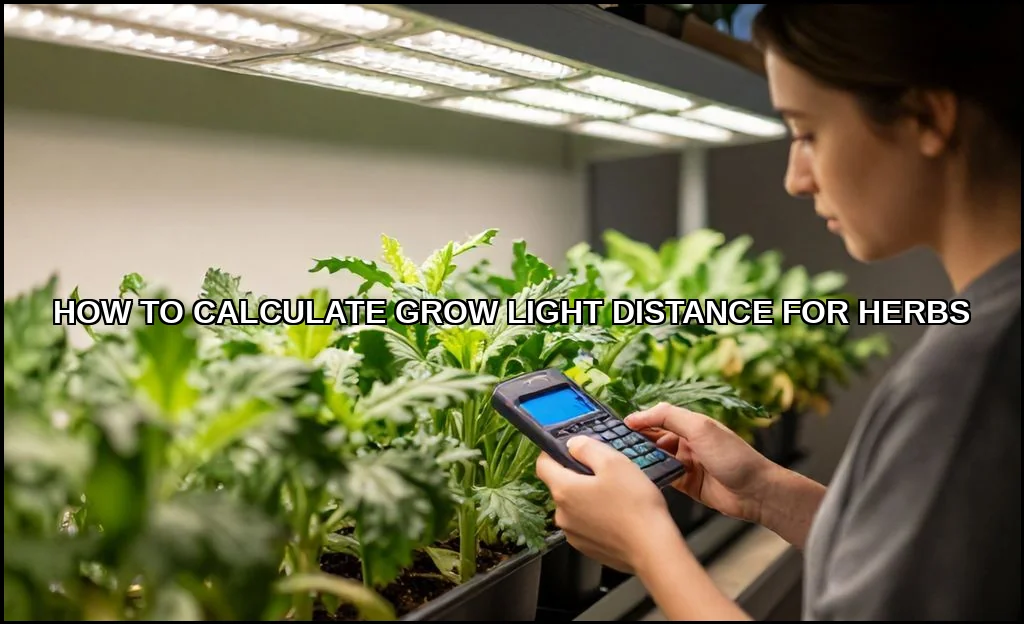
Light Metrics: It’s More Than Just Brightness
Forget lumens. That’s a measure for human eyes. Plants “see” light differently. They use specific wavelengths between 400 and 700 nanometers for growth, known as PAR (Photosynthetically Active Radiation). This is the range where photosynthesis happens.
The critical metric is PPFD (Photosynthetic Photon Flux Density). Think of it as the density of usable PAR photons hitting a specific area of your plant every second. It’s measured in micromoles per square meter per second (mol/m/s). This number is your target. A simple grow light height chart is a good start, but knowing your PPFD goals is what makes you precise.
There’s one more layer: Daily Light Integral (DLI). This is the total number of PAR photons delivered over a full photoperiod (your light-on hours). It’s PPFD multiplied by time. Herbs have a DLI sweet spot. Exceed it, and you waste energy and stress plants. Fall short, and growth stalls.
PPFD Targets for Common Culinary Herbs
Not all herbs need the same intensity. Leafy, fast-growing herbs crave more light than slow, woody ones. Here are some specific PPFD targets to aim for during the main vegetative growth phase:
- Basil, Mint, Cilantro: 300-500 mol/m/s. These are light-hungry and benefit from the higher end of the range.
- Parsley, Chives, Oregano: 200-400 mol/m/s. Moderate requirements.
- Thyme, Rosemary, Sage: 150-300 mol/m/s. These Mediterranean herbs are adapted to slightly less intense light.
These targets directly influence your adjusting grow lights strategy. A seedling needs far less than a mature basil plant about to bolt.
Distance by Growth Stage: Seedling to Harvest
Your herb’s life stage dramatically changes its light needs. Intensity that nourishes a mature plant can scorch a tender seedling.
Seedlings Stage
This is the most delicate phase. The goal is to prevent “stretching”weak, elongated stems as seedlings desperately reach for light. However, too much intensity can cause damping off or light burn.
- LEDs (Full-Spectrum/Quantum Boards): 24-36 inches away. Start high and lower gradually.
- Fluorescent (CFL/T5): 4-6 inches away. These run cooler.
- Goal PPFD: 100-200 mol/m/s.
Finding the optimal light distance for mint seedlings or basil follows this rule. Watch for compact, sturdy growth with vibrant green color.
Vegetative Stage
This is the main growth period for leafy herbs. You want bushy, dense foliage. Plants can handle and need significantly more light.
- LEDs: 12-24 inches away. Powerful brands like Spider Farmer or Mars Hydro quantum boards often need to be higher.
- HPS/MH: 24-36+ inches away. These emit tremendous heat.
- Goal PPFD: Refer to the herb-specific targets above (200-500 mol/m/s).
Flowering / Bolting Stage
For herbs like basil, flowering (bolting) marks the end of peak leaf production. Some growers manipulate light to delay this. If you’re allowing flowering, light needs can remain similar to vegetative or increase slightly.
Key Point: The photoperiod (hours of light) works with distance to hit your DLI target. A light hung further away may need a longer “on” time to deliver the same daily light total as a closer light on a shorter schedule.
How Your Light Type Dictates Distance
The technology inside your fixture is the biggest variable in any light distance chart. Heat output and intensity vary wildly.
LED Grow Lights (Full-Spectrum & Quantum Boards)
The standard for modern indoor gardening. They are efficient, run cool relative to output, and last long. Distance is primarily driven by intensity, not heat.
- Pros: Energy-efficient, low heat, long lifespan, often full-spectrum.
- Distance Factor: High-intensity models from brands like VIPARSPECTRA still need space. Always check the manufacturer’s recommendation first.
HPS/MH Grow Lights
High-Intensity Discharge (HID) lights like High-Pressure Sodium (HPS) and Metal Halide (MH) are powerful but old-school. They are incredibly hot.
- Pros: Very high intensity and penetration.
- Distance Factor: Heat is the main driver. You must keep them much further away (often 2-3+ feet) and use exhaust fans. The “hand test” (feeling heat on the back of your hand at plant level) is critical here to prevent leaf scorch.
Fluorescent Lights (CFL, T5)
These are low-heat, low-intensity options perfect for seedlings, cuttings, or low-light herbs.
- Pros: Inexpensive, cool-running, good for small spaces.
- Distance Factor: Can be placed very close (2-6 inches) because they emit little heat. Intensity is the limiting factor.
A Step-by-Step Method for Calculation & Adjustment
Stop guessing. Follow this process to dial in your herb light requirements scientifically.
- Identify Your Light’s Output: Find your light’s PPFD map or footprint chart from the manufacturer. This shows intensity at various heights and distances.
- Know Your Herb’s Target PPFD: Use the guidelines above for your herb’s growth stage.
- Start Conservative: Hang the light higher than you think. For example, start an LED at 30 inches for seedlings or 24 inches for vegetative plants.
- Measure & Observe (The Critical Step): If possible, use a PPFD meter app (they are approximations but helpful) or a dedicated meter. Observe plant response over 2-3 days.
- Adjust Gradually: Move the light 2-3 inches closer or further every few days based on plant signals and measurements. This is the core of calculating PPFD for indoor herb garden success.
- Factor in Photoperiod: Remember DLI. If you can’t increase intensity (light is fixed), increase duration to hit your herb’s daily light needs.
Troubleshooting: Reading Your Plants’ Signals
Your herbs are talking to you. Learn their language to spot problems with your grow light height.
Signs of Too Much Light (Light Stress)
This often manifests as Light Burn or photobleaching.
- Leaf Scorch: Yellow or brown crispy tips and edges, especially on top leaves closest to the light.
- Bleaching: Leaves turn pale green, white, or even yellow while veins may stay green.
- Leaf Curling: Leaves cup or curl upward or downward as a defense mechanism.
- Stunted Growth: The plant looks stressed and stops putting out new, healthy growth.
These are the classic signs of too much light on herbs. The fix is simple: raise the light immediately.
Signs of Too Little Light
Plants become “leggy” as they search for a photon source.
- Etiolation (Stretching): Long, weak stems with large gaps between leaves.
- Small, Pale Leaves: New growth is smaller and lighter green than older growth.
- Leaning: Plants visibly lean toward the light source.
- Slow Growth: Your herbs seem stuck in time.
The solution is to lower the light or increase its intensity/duration.
Mastering light distance transforms your indoor herb garden from a hopeful experiment into a reliable, bountiful source of fresh flavor. It’s a dynamic dance between your equipment, your plants, and your goals. Start with the guidelines, invest in a good full-spectrum LED, and then become a keen observer. Your herbs will show you exactly what they need. The perfect pesto or mojito is closer than you think.