
You want your plants to thrive, but life gets busy. Automated watering systems are the solution, taking the guesswork and daily chore out of irrigation. They deliver water precisely when and where your plants need it, saving you time and conserving a vital resource. For a straightforward, effective solution for outdoor beds, many gardeners find success with the Insoma Outdoor Garden kit, which bundles essential components for a solid start.
But with terms like drip irrigation, soil moisture sensors, and smart controllers flying around, choosing can be confusing. This guide cuts through the noise. We’ll compare the main types, break down the technology, and give you the practical knowledge to pick the perfect system for your garden, whether it’s a patio container or a full-scale vegetable plot.
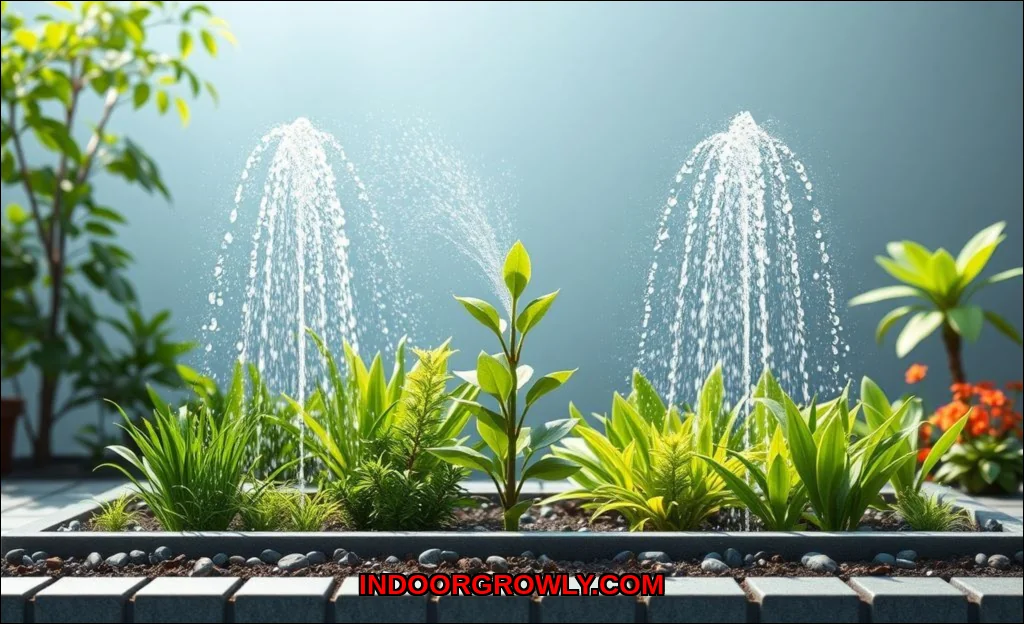
What Are Automated Watering Systems?
At their core, these systems use technology to water your plants without your daily intervention. They replace the manual hose or watering can with a scheduled, measured approach. The goal is consistencythe key to healthy plant growth. You’re not just buying convenience; you’re investing in plant health and water efficiency. Systems range from simple battery-operated watering timers to complex networks managed by smartphone apps that adjust to the weather.
Types of Automated Watering Systems Compared
Your choice largely depends on your garden’s scale, location, and your desired level of control. Let’s break down the primary categories.
Timer-Based Systems
These are the workhorses of automation. You connect a programmable timer to your faucet or inline with your tubing. It opens a solenoid valve at set days and times for a set duration. It’s simple, reliable, and affordable.
- Best For: Consistent schedules, vacation coverage, basic garden beds.
- Pros: Low cost, easy to install, no internet required.
- Cons: Doesn’t respond to actual plant needs or weather; can over-water.
Sensor-Based Systems
This is where efficiency jumps. These systems use probes, like soil moisture sensors, to check conditions. The controller waters only when the soil dries to a certain point. It’s a reactive, plant-first approach.
- Best For: Water conservation, fussy plants, variable climates.
- Pros: Saves water, prevents over/under-watering, ideal for containers.
- Cons: Higher initial cost, sensors require placement and occasional calibration.
Smart/App-Controlled Systems
The pinnacle of smart irrigation. These Wi-Fi or Bluetooth-enabled systems combine scheduling with environmental data (weather forecasts, evapotranspiration rates). You control and monitor everything from your phone.
- Best For: Tech-savvy gardeners, large or complex landscapes, remote management.
- Pros: Maximum control and water savings, remote access, data insights.
- Cons: Highest cost, requires stable Wi-Fi, potential subscription fees.
Delivery Method: How Water Gets to the Roots
The controller is the brain, but the delivery method is the body. Your main options are:
- Drip Irrigation: Uses emitters to deliver water slowly directly to the soil at the plant base. Extremely efficient and perfect for rows, vegetable gardens, and individual plants.
- Soaker Hoses: Porous hoses that “sweat” water along their length. Good for dense ground cover or long, straight beds but less precise than drip lines.
- Micro-Sprinklers/Sprayers: Small sprinklers that cover a defined area (e.g., 3-10 foot radius). Ideal for closely spaced plants, ground cover, or seedlings.
Key Features and Technology to Consider
Look beyond the basic type. These components define your system’s capability and ease.
The Brains: Controllers & Timers
Your irrigation controllers range from simple dials to full-color touchscreens. Key features include the number of independent zones (allowing different schedules for different plant types), battery backup, and rain delay functions. For a truly integrated home garden automation setup, some controllers can even sync with your smart grow light cycles.
The Nervous System: Sensors
Sensors move you from scheduled to smart. Soil moisture sensors are the most common, but rain/freeze sensors are invaluable for outdoor systems. Some advanced systems integrate flow meters to detect leaks in the linea real saver.
Valves, Tubing, and Emitters
This is the plumbing. Quality matters here. A solenoid valve is the electrically controlled gate for each zone. Look for UV-resistant tubing and clog-resistant emitters, especially if you have hard water. This is where brands like Rain Bird and Orbit have built their reputations.
Pros, Cons, and Cost Analysis
Let’s put hard numbers and clear trade-offs on the table. This automated watering system cost comparison outlines what you can expect.
| System Type | Approx. Startup Cost (DIY) | Key Advantage | Key Limitation |
|---|---|---|---|
| Basic Timer + Soaker Hose | $50 – $150 | Extreme simplicity & low cost | Inefficient water use; no customization |
| Multi-Zone Drip System with Timer | $150 – $400 | Great efficiency for the price; scalable | Manual schedule adjustments needed |
| Sensor-Based Kit (e.g., Blumat) | $200 – $600 | True plant-need watering; saves water | Sensor calibration can be finicky |
| Full Smart Irrigation System | $300 – $1000+ | Peak efficiency & convenience; data-driven | High initial investment; tech complexity |
The long-term savings on your water bill can offset a significant portion of the initial cost, especially for sensor and smart systems. The real value? Healthier plants and reclaimed time.
How to Choose the Right System for Your Needs
Ask yourself these questions to narrow your focus. It’s the difference between a good purchase and the perfect one.
Indoor vs. Outdoor: A Critical Divide
Your environment dictates everything. Outdoor systems need weatherproof components and must handle sun exposure and temperature swings. Indoor or greenhouse systems, often used for hydroponics or tender container plants, prioritize precision and can integrate seamlessly with other climate controls. For example, optimizing your hydroponic environment with smart grow lights works hand-in-hand with precise watering.
Scale and Plant Type
A patio herb garden has vastly different needs than a 50-foot vegetable row. For a best automated watering system for vegetable garden, a multi-zone drip irrigation setup on a timer is often the gold standard. For a collection of houseplants, a capillary mat system or individual self-watering systems with reservoirs might be ideal.
Your Hands-On Quotient
Be honest about your DIY watering systems skill level and desire to tinker. Pre-configured kits offer plug-and-play simplicity. A true how to set up a drip irrigation system with timer project from individual parts offers maximum customization but requires more planning. Weighing DIY vs. pre-made automated watering kits is a fundamental first step.
Don’t Overlook These Options
While drip and sprinklers dominate the conversation, older, passive techniques are worth a look. Olla irrigation uses buried, unglazed clay pots that slowly seep water into the soilincredibly efficient for arid climates. Capillary matting, where plants draw water up from a saturated mat, is superb for seed starting and small indoor plants.
For specialized soilless cultivation, understanding the principles of hydroponic growing methods is essential, as their automated watering is constant and central to the plant’s survival.
Installation and Maintenance: Keeping It Flowing
A system is only as good as its upkeep. Plan for a few hours to install a basic kit. Flush your lines before first use to clear debris. Use a pressure regulator and filterthey prevent emitter clogs and protect your components. Maintenance is simple but non-negotiable: check for leaks periodically, clean filters monthly during the season, and winterize outdoor systems before the first freeze to prevent cracked pipes. A little care prevents big headaches.
Automated watering isn’t a luxury anymore; it’s a smart gardening strategy. It frees you from the routine while giving your plants a level of care that’s hard to match manually. Start by identifying your non-negotiable needis it saving water, vacation coverage, or simply more consistent care? From there, match the technology to your goal and your garden’s reality. Your plants will show their gratitude with lush, vibrant growth, and you’ll enjoy your garden more than ever.